
8 Ways to Cope With Seasonal Depression During the Cold Winter Months
As an LCPC, I see it every year: when the days get shorter and the temperature drops, moods often drop too. The “cold season blues” are real — and for some people, they’re more than just a rough week. Conditions like Seasonal Affective Disorder can make fall and winter especially hard.
The good news? There are practical, doable ways to cope. Here are 8 simple strategies you can start using right away.
1. Get Light — Even If It’s Cold
Less sunlight can mess with your brain chemistry and sleep cycle. Try to get outside for at least 10–20 minutes during daylight hours, even if it’s cloudy. Morning light is especially helpful.
If going outside isn’t realistic, light therapy boxes (used correctly and safely) can sometimes help regulate mood during darker months.
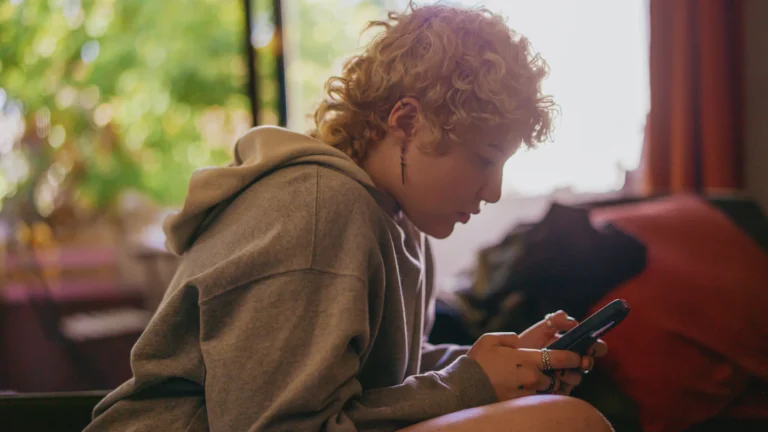
Small step idea: Drink your morning coffee or scroll your phone near a sunny window.
2. Keep a Basic Routine (Even When You Don’t Feel Like It)
Depression loves chaos. Skipping sleep, meals, or school/work can make things worse.
Try this:
-
Wake up around the same time daily
-
Eat regular meals
-
Go to bed at a consistent time
You don’t need a “perfect” routine — just a predictable one.
3. Move Your Body (No Gym Required)
Exercise helps your brain release chemicals that improve mood. You don’t have to run five miles. Walking, dancing in your room, stretching, or doing a short YouTube workout counts.
Think “some movement” instead of “intense workout.”
4. Stay Connected — Even If You Want to Isolate
When you’re depressed, canceling plans feels easier. But isolation often makes things heavier.
Send one text.
Join one activity.
Sit with people, even quietly.
Connection doesn’t have to be deep or long to help.
5. Watch the “All-or-Nothing” Thoughts
Depression often sounds like:
-
“Nothing will ever get better.”
-
“I’m a failure.”
-
“What’s the point?”
These thoughts feel true — but feelings aren’t facts.
Try asking:
-
Is this 100% true?
-
What would I say to a friend thinking this?
You don’t have to force positivity — just aim for balanced thinking.
6. Do One Small Thing That Feels Good
Depression steals motivation. Waiting to “feel like it” usually doesn’t work. Instead, schedule one small pleasant activity daily:
-
Watch a favorite show
-
Play a game
-
Read
-
Bake something simple
-
Listen to music
Action often comes before motivation — not after.
7. Limit Alcohol and Doom-Scrolling
Alcohol is a depressant. It can make low moods worse and disrupt sleep. Endless scrolling (especially negative news or comparison-heavy social media) can also intensify hopelessness.
Try setting a timer for social media use or having one “no-scroll” hour before bed.
8. Reach Out for Professional Support
If symptoms last more than two weeks, interfere with school/work, or include feelings of hopelessness, it may be time to seek extra help.Therapies like Cognitive Behavioral Therapy have strong research support for depression. In some cases, medication prescribed by a qualified provider can also be helpful.
Depression during the cold season is common — but suffering in silence doesn’t have to be. If you’re a clinician sharing this with clients, remind them: progress in winter often looks like small wins. Getting out of bed. Taking a shower. Texting a friend. Those count. And if you’re reading this personally: you are not lazy, broken, or dramatic. You are human. And winter doesn’t last forever.